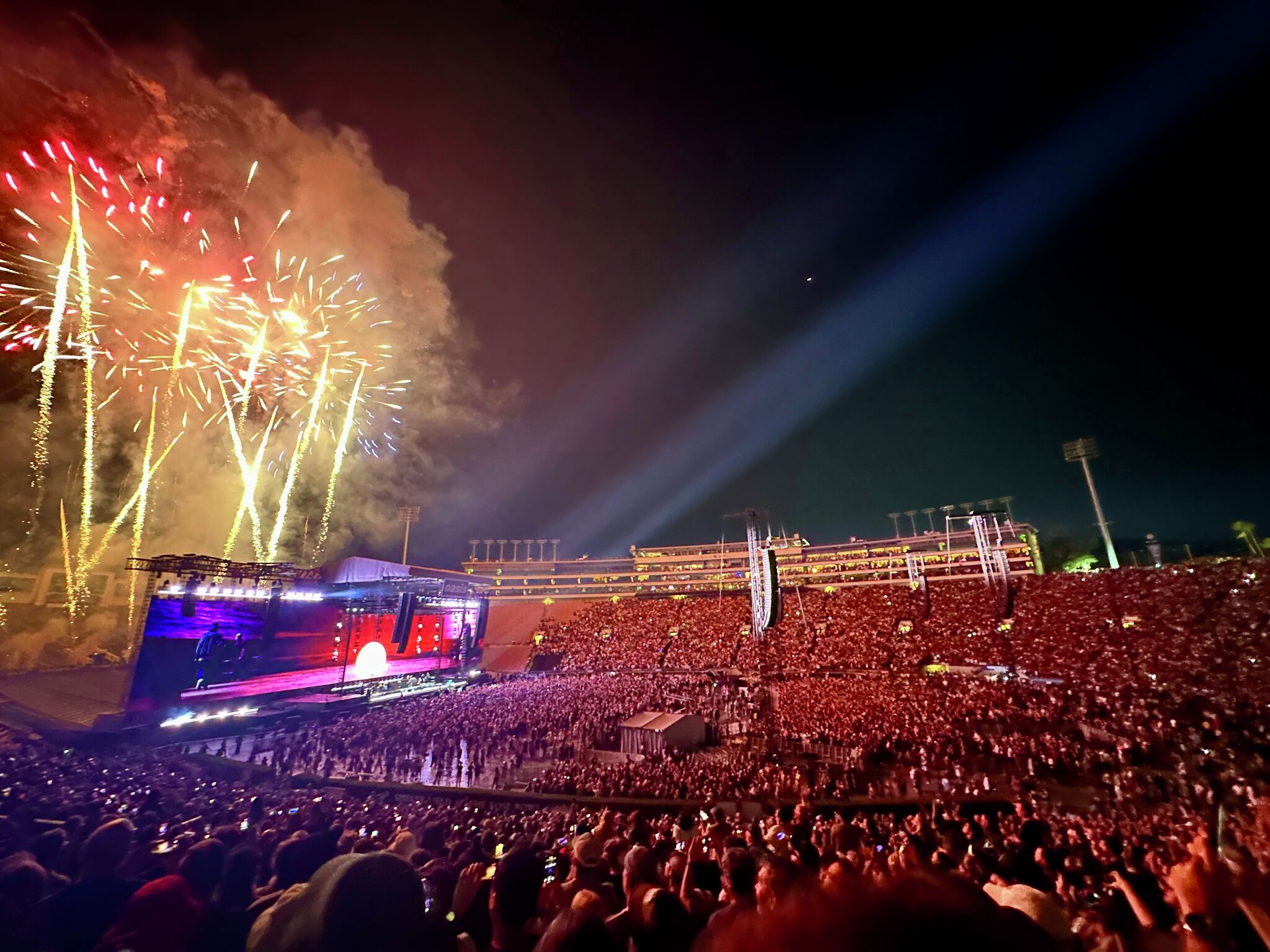
The hum of anticipation had rippled through Los Angeles for months, ever since the impossible news broke: The Chromatics were back. Not for a tribute, not for a one-off special, but a full-fledged reunion tour culminating in their hometown, a city they had both captivated and deeply disappointed a decade prior. Everyone remembered the acrimonious split, the public feuds between frontman Leo Thorne and guitarist Maya Singh, the scathing interviews, the "never again" declarations. No one, absolutely no one, thought it would last. Yet, here they were, defying every cynical prediction, and bringing the sprawling, often-jaded metropolis to its knees in an outpouring of collective emotion.
The Chromatics had been the soundtrack to a generation of Angelenos. Their raw, anthemic indie rock captured the city's restless energy, its glittering ambition, and its hidden heartaches. They were the voice of Venice boardwalk poets and Hollywood dreamers, Echo Park romantics and downtown hustlers. Their breakup in 2014 had felt like a civic divorce, leaving a void that no new band, however talented, could truly fill.
Initial announcements of the reunion were met with a mix of cautious optimism and outright skepticism. "They'll fall apart by the third show," the blogs predicted. "It's just for the money," the comments section sneered. Even during their first few performances, reviews noted a palpable tension, a reluctance to fully commit. But something shifted as the tour progressed. Old wounds began to mend, on stage and, subtly, off it. The music, it turned out, was stronger than the bitterness.
The culmination arrived on a balmy Saturday night at the Rose Bowl, a venue steeped in shared memories. Seventy thousand people, from every corner of the city, packed the stadium. Families who had introduced their kids to "Lunar Tides," couples who had danced their first slow dance to "City of Stars," solitary souls finding solace in "Asphalt Angels." The air vibrated not just with sound, but with the weight of shared history and renewed hope.
From the moment Leo Thorne's familiar, slightly rasping voice cut through the stadium on the opening chords of "Neon Bloom," followed by Maya Singh's intricate, soaring guitar, it was clear this wasn't just a performance. It was a homecoming, a reconciliation, a collective exorcism. They played their hits with a renewed ferocity, but also with a vulnerability that had been missing for years. Thorne and Singh exchanged glances, not of animosity, but of understanding, sometimes even a fleeting smile. It was the reunion no one thought possible, now visibly, tangibly, lasting.
Then came "Echoes of L.A.," a ballad that had always held a special place in the city's heart. As the first notes drifted across the crowd, a hush fell. And then, slowly, one by one, lights began to appear – not just phone flashlights, but tears. Rivers of them. Tears of nostalgia for lost youth, for friendships that faded, for dreams that soared and sometimes crashed. Tears of relief that something beautiful, once broken, could be made whole again. Tears of awe at witnessing a second chance, not just for a band, but for the collective spirit of a city that often struggles with its own identity.
By the time the final encore, a powerful rendition of "Golden Hour," faded into the Pasadena night, there wasn't a dry eye in the house. It wasn't just the music; it was the story. The story of two people, and by extension, a city, learning that even the deepest rifts can heal, that forgiveness is possible, and that some bonds, however strained, are simply unbreakable. The reunion that no one thought would last had not only endured; it had woven itself into the very fabric of Los Angeles, a testament to resilience, redemption, and the enduring power of music to mend hearts, one tear-soaked anthem at a time.
Comments
Post a Comment