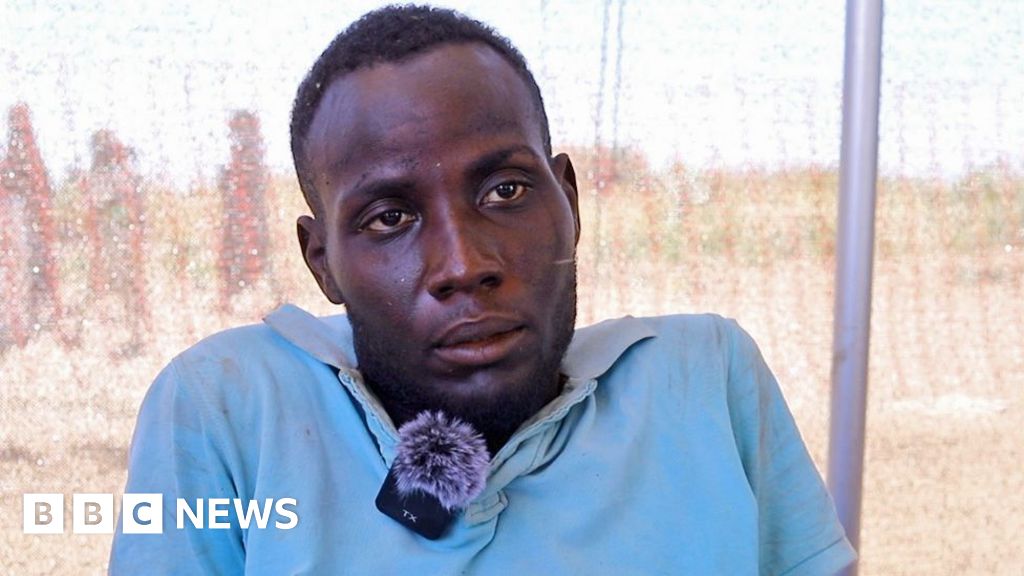
Survivors from besieged Fasher deliver harrowing testimonies to the BBC, detailing widespread brutality and severe human rights abuses committed by the Rapid Support Forces (RSF).
## El Fasher Under Siege: Voices of Brutality Reach the World Through the BBC
The world watches, often with a horrifying sense of déjà vu, as the city of El Fasher, North Darfur, teeters on the brink of an unimaginable catastrophe. Trapped within its besieged confines, a populace of hundreds of thousands endures a relentless onslaught, their desperate pleas for help echoing through the limited channels of communication available. It is through these harrowing dispatches, amplified by media outlets like the BBC, that the true extent of the Rapid Support Forces (RSF) brutality against civilians is laid bare, painting a grim picture of deliberate targeting, systematic destruction, and a humanitarian crisis designed to crush the spirit and resistance of a people.
El Fasher, a city of immense strategic and symbolic importance, stands as the last major urban centre in Darfur not under full RSF control, and a vital humanitarian hub for millions displaced by the ongoing conflict between the Sudanese Armed Forces (SAF) and the RSF. Its fall would not only cement the RSF's dominance over the entire Darfur region but also seal the fate of countless individuals, already pushed to the absolute limits of endurance. Since the conflict began in April 2023, Darfur has been a crucible of violence, but the siege of El Fasher has intensified into a focused campaign of terror, with civilians bearing the brunt of the RSF’s methods.
Reports reaching the BBC from inside El Fasher are a chilling testament to the daily terror. Residents, often speaking under immense duress and at great personal risk, describe a city transformed into a living hell. "They are everywhere," one resident, identified only as Mohammed for his safety, told a BBC correspondent via a crackling satellite phone, "snipers on rooftops, shelling our homes indiscriminately. We cannot even fetch water without risking our lives." These aren't isolated incidents but part of a systematic pattern. Witnesses recount how RSF forces, often operating with impunity, have deliberately targeted residential areas, markets, and even displacement camps with heavy artillery and aerial bombardments, causing widespread civilian casualties and driving tens of thousands more from their already precarious shelters.
Beyond the direct violence, the accounts detail a deliberate campaign of starvation and deprivation. Food supplies, medical aid, and essential goods are severely restricted or entirely blocked by RSF checkpoints surrounding the city. One medical professional, who managed to relay a message to the BBC, spoke of a desperate situation in the city’s few remaining functioning hospitals. "We are running out of everything – bandages, anaesthetics, even clean water. People are dying not just from bullets, but from preventable diseases and lack of basic care. The RSF blocks every attempt to bring supplies in." This denial of humanitarian access is not a byproduct of war; it is a calculated tactic, aimed at increasing pressure on the civilian population and weakening their resolve.
Looting and property destruction form another recurring theme in the testimonies. Homes, businesses, and public infrastructure have been ransacked and torched, leaving behind a trail of devastation that extends beyond the immediate violence. "They broke into our house, took everything valuable, then set it on fire," recounted Fatima, a mother of three who had sought refuge in a school. "They want to erase us, to make sure there is nothing left for us to return to." Such actions underscore a wider agenda of dispossession and ethnic cleansing that has plagued Darfur for decades, and which the current conflict threatens to reignite with renewed ferocity. The BBC's role in documenting these claims, piecing together fragmented reports from desperate individuals, is crucial in providing a glimpse into the grim realities that might otherwise remain unseen and unheard.
The reports also touch upon the chilling allegations of sexual violence and arbitrary detention, particularly against men and boys. While difficult to verify in the midst of conflict, these accounts align with historical patterns of violence in Darfur and underscore the multi-faceted nature of the brutality. Fear pervades every aspect of life, with residents terrified of encounters with RSF patrols, which often lead to forced disappearances, torture, or summary executions. The psychological toll on the trapped population is immense, manifesting in widespread trauma, anxiety, and a profound sense of abandonment by the international community.
The strategic importance of El Fasher cannot be overstated. It is not merely a battleground but a symbol. Should it fall, the humanitarian consequences would be catastrophic, potentially triggering a fresh wave of displacement and exacerbating an already dire refugee crisis. Furthermore, the complete control of Darfur by the RSF would embolden them in the wider conflict against the SAF, prolonging the war and further destabilizing the Horn of Africa.
The voices emerging from El Fasher, carried by platforms like the BBC, serve as an urgent global alert. They are not just stories of suffering but a stark indictment of the international community's failure to protect civilians and enforce humanitarian law. Calls for a lasting ceasefire, the protection of civilians, and unimpeded humanitarian access have grown louder, but concrete action remains elusive. As El Fasher continues to groan under the siege, the world is confronted with a profound moral imperative: to heed the cries of its besieged residents, to hold the perpetrators of such brutality accountable, and to prevent yet another chapter of systematic violence from unfolding unheeded in Darfur. The BBC's commitment to amplifying these critical voices, often against great odds, ensures that the world cannot claim ignorance of the horrors unfolding, thereby placing an even greater burden on those with the power to act.
Comments
Post a Comment